The Role of Structural Osteopathy in Sports Injuries
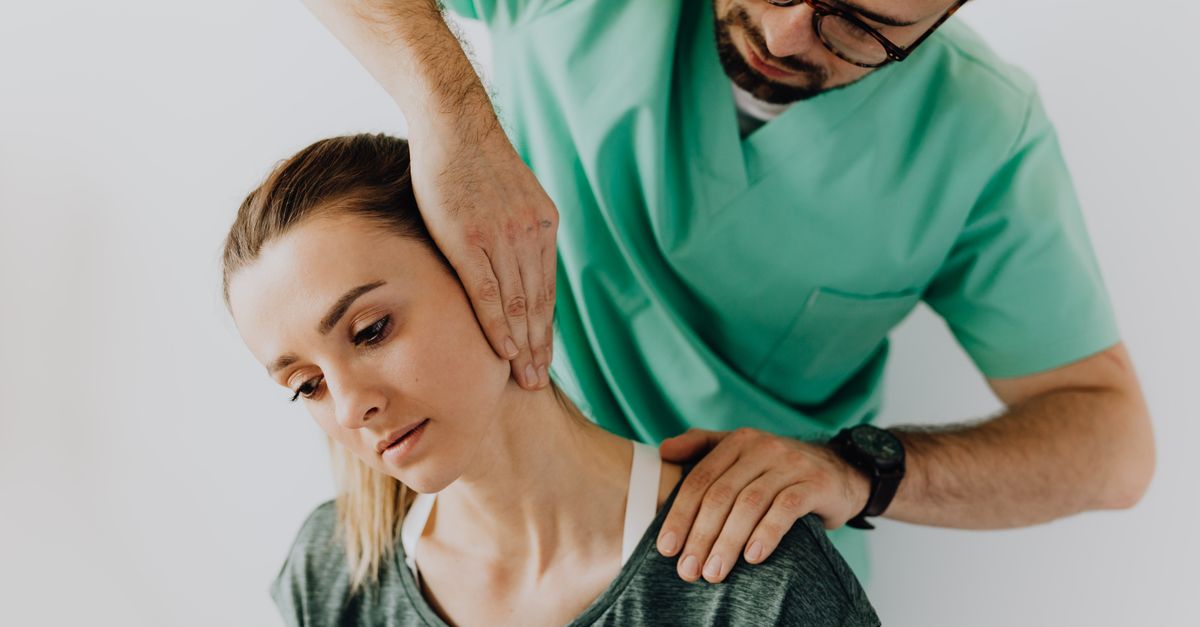
Table Of Contents
Rehabilitation Strategies Using Osteopathy
Rehabilitation through osteopathy focuses on understanding and treating the root causes of sports injuries rather than solely addressing symptoms. Practitioners utilize a hands-on approach to assess the musculoskeletal system, identifying areas of restriction, dysfunction, or imbalance. Techniques such as joint mobilization, soft tissue manipulation, and myofascial release promote blood circulation, enhance tissue healing, and restore normal movement patterns. This comprehensive strategy not only aids recovery but also helps prevent future injuries by addressing underlying issues.
In addition to physical techniques, osteopathy emphasizes the importance of patient education in rehabilitation. Athletes are guided to understand their body mechanics and the significance of proper movement patterns. This knowledge empowers them to take an active role in their recovery process. Incorporating lifestyle adjustments such as ergonomic modifications, nutritional guidance, and stress management can further support healing. This holistic approach to rehabilitation fosters not only recovery but also long-term athletic performance.
Personalized Recovery Plans
Creating tailored recovery plans is essential in addressing the unique needs of each athlete. Osteopaths assess various factors, including injury type, physical condition, and personal goals, when developing these plans. This individualized approach ensures that treatment is aligned with the athlete’s specific circumstances and helps expedite the recovery process.
Monitoring progress is a crucial aspect of these personalized plans. Adjustments can be made based on the athlete's response to treatment, which allows for a flexible and dynamic approach to rehabilitation. Through regular evaluations, osteopaths can identify areas that need additional focus, ensuring a comprehensive strategy that optimally supports the athlete's return to peak performance.
The Role of Osteopathy in Enhancing Flexibility
Osteopathy focuses on improving the body's overall function through the assessment and treatment of the musculoskeletal system. Techniques used in osteopathic practice, such as myofascial release and muscle energy techniques, promote lengthening and relaxation of tight muscles. This approach not only aids in restoring balance but also enhances the range of motion in athletes. By addressing restrictions and tension within the tissues, osteopathic treatment helps athletes move more freely during their training and competitions.
Flexibility plays a crucial role in athletic performance, influencing speed, strength, and the ability to prevent injuries. Osteopathic practitioners can design tailored stretching and flexibility programs based on individual needs. These programs often incorporate specific exercises that target muscle groups most impacted by an athlete's particular sport. As a result, athletes may enjoy improved performance and a reduced risk of injuries associated with inadequate flexibility.
Benefits for Athletes
Athletes often experience physical stress and strain due to their demanding training regimens. Incorporating structural osteopathy into their recovery routines can lead to significant benefits. This approach focuses on improving the body’s overall functionality by addressing misalignments, enhancing muscle balance, and promoting better circulation. By utilizing hands-on techniques, osteopathic practitioners can help athletes recover more efficiently from injuries and prevent future complications.
In addition to aiding in recovery, structural osteopathy plays a crucial role in improving overall performance. The techniques used can increase flexibility and range of motion, allowing athletes to train more effectively. By enhancing the body's alignment and reducing tension in soft tissues, athletes may find they can execute movements more fluidly. This holistic approach not only supports physical health but also contributes to mental well-being, giving athletes the confidence to perform at their best.
Integrating Osteopathy with Conventional Treatments
An integrated approach to injury management often yields the best outcomes for athletes. By combining osteopathic techniques with conventional treatments like physical therapy, physicians can create a comprehensive care plan. Osteopathy emphasizes the body's musculoskeletal system, enhancing recovery outcomes when used alongside methods such as manual therapy, rehabilitation exercises, and even surgical interventions. This collaboration enables a wider range of treatment options tailored to each athlete's specific needs.
The partnership between osteopaths and conventional healthcare providers can also address underlying biomechanical issues. Healthcare professionals can share insights and observations that contribute to a holistic understanding of an athlete's condition. This mutual exchange of information can lead to improved diagnosis and targeted interventions. Ultimately, integrating these disciplines fosters an environment where athletes receive well-rounded care, promoting both rehabilitation and performance enhancement.
Collaborative Healthcare Models
Osteopathy plays a significant role in collaborative healthcare models, fostering an integrated approach to treating sports injuries. By working alongside medical professionals such as physical therapists, chiropractors, and physicians, osteopaths contribute to a holistic treatment plan that addresses not just the symptoms but also the underlying causes of an athlete's condition. The synergy between different modalities of care can lead to improved outcomes through shared knowledge, resulting in a comprehensive recovery strategy tailored to the athlete's unique needs.
Collaboration often extends beyond immediate treatment. Ongoing communication among healthcare providers ensures that all parties are informed about the athlete's progress and any adjustments needed in their rehabilitation plan. This shared commitment to patient care encourages a more thorough understanding of each discipline's strengths and limitations. Such teamwork promotes a culture of support around the athlete, enhancing their overall performance and well-being while minimizing the risk of re-injury.
FAQS
What is structural osteopathy and how does it relate to sports injuries?
Structural osteopathy is a holistic approach to healthcare that focuses on the relationship between the body's structure and its function. In the context of sports injuries, it involves assessing and treating musculoskeletal issues to enhance recovery, improve performance, and prevent future injuries.
How can osteopathy help in the rehabilitation of sports injuries?
Osteopathy can aid in rehabilitation by using various techniques to relieve pain, restore mobility, and improve circulation. Personalized recovery plans are developed to address the specific needs of an athlete, facilitating a faster and more effective return to sports.
What are the benefits of incorporating osteopathy into an athlete's training regimen?
Incorporating osteopathy can enhance flexibility, reduce the risk of injuries, improve recovery times, and address any lingering pain or discomfort. These benefits contribute to an athlete's overall performance and longevity in their sport.
How does osteopathy work alongside conventional treatments for sports injuries?
Osteopathy can be integrated with conventional treatments such as physical therapy and medication. This collaborative healthcare model ensures a comprehensive approach to recovery, allowing for the best possible outcomes for the athlete.
Are there any specific osteopathic techniques used for sports injuries?
Yes, osteopathic techniques may include manual therapy, muscle energy techniques, and myofascial release. These methods are tailored to address the unique needs of the athlete, promoting healing and functional improvement.
Related Links
Structural Osteopathy and Its Impact on Musculoskeletal HealthTechniques Used in Structural Osteopathy
Structural Osteopathy for Digestive Health Issues
Case Studies: Success Stories in Structural Osteopathy
Understanding the Assessments in Structural Osteopathy
Comparing Structural Osteopathy with Other Osteopathic Techniques