Techniques Used in Structural Osteopathy
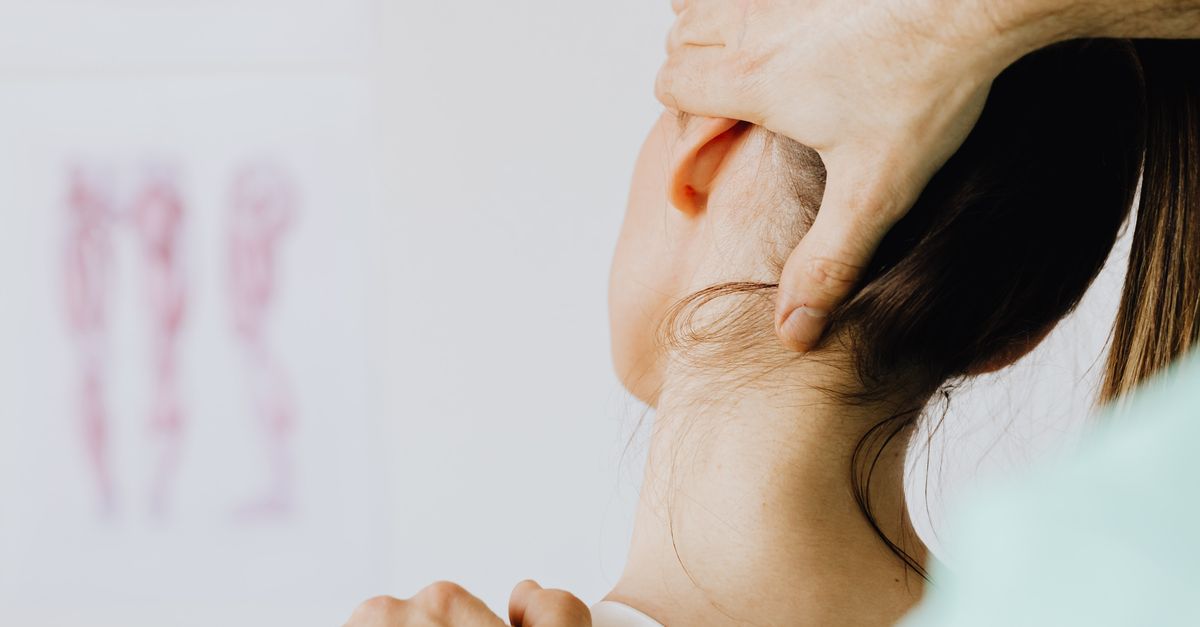
Table Of Contents
Muscle Energy Techniques
Muscle Energy Techniques (MET) offer a unique approach to enhance musculoskeletal function. These techniques involve the patient actively contracting specific muscle groups while the practitioner applies a counterforce. This self-directed movement allows for improved flexibility and strength, promoting overall healing and rehabilitation. Practitioners often tailor MET to individual needs, focusing on specific muscle groups that may be restricted or in spasm.
The technique typically begins with a thorough assessment of the patient's condition. Practitioners identify areas of tension or pain and gauge the range of motion. Once the target muscle or muscle group is established, the patient is instructed to perform controlled contractions, which last for a few seconds. Following this, the practitioner guides the patient through a series of stretches or adjustments, ultimately leading to a more relaxed and functional state. This method not only enhances physical therapy outcomes but also empowers patients to engage in their own recovery process.
Utilizing Patient-Contraction for Effective Treatment
Muscle Energy Techniques focus on the active participation of the patient to enhance therapeutic outcomes. In these techniques, practitioners guide patients to contract specific muscles against a resistance. This method not only helps in realigning the musculoskeletal system but also encourages a deeper engagement from the patient. By allowing individuals to initiate movement, the treatment becomes more dynamic, fostering a responsive healing environment.
This approach emphasizes the importance of neuromuscular feedback, enabling both the patient and practitioner to monitor progress in real-time. The muscle contractions stimulate circulation, enhance flexibility, and reduce muscle tension. Through this interactive process, patients often experience increased awareness of their body mechanics. This awareness contributes to a more effective treatment experience, addressing both immediate discomfort and underlying issues.
Counterstrain Techniques
Counterstrain techniques focus on relieving muscle tension and discomfort by addressing tender points within the body. These tender points, which are often associated with areas of strain, can be palpated by the practitioner. By gently positioning the patient away from the direction of the pain, practitioners aim to create a passive position that reduces muscle tension. This technique works on the principle that by shortening the muscle where the tender point is located, the body can naturally release the tension and promote healing.
Identifying these tender points is crucial for effective treatment. Practitioners often employ specific assessments to locate areas of hypersensitivity, which can correspond to underlying dysfunction. Once identified, the application of counterstrain techniques allows for a non-invasive approach to ease discomfort. This method not only alleviates pain but also enhances overall joint function by promoting a balanced musculoskeletal system. Through this careful manipulation, patients often experience significant improvements in their range of motion and overall well-being.
Identifying Tender Points for Pain Relief
Tender points are specific areas of tenderness found in muscles, fascia, and deeper structures. Practitioners use palpation techniques to locate these points, examining for sensitivity that may indicate underlying dysfunction. The identification of these points is critical for diagnosing conditions related to muscle tension, strain, or myofascial pain syndromes. Understanding the distribution of these tender points can help tailor treatment plans to address each patient’s individual needs.
Once tender points are identified, gentle positioning or specific techniques may be employed to alleviate discomfort. Releasing tension in these areas can significantly improve range of motion and reduce pain. The process often involves subtle adjustments in body positioning, allowing the patient to experience relief as the structures gradually realign. Effective management of tender points not only provides immediate pain relief but also promotes long-term healing and recovery.
Cranial Osteopathy
This approach recognizes the significance of the cranial bones and their potential impact on overall health. Practitioners believe that subtle movements and tensions in the skull can influence the central nervous system and, consequently, the body's physiology. By monitoring these movements, osteopaths aim to identify any restrictions or imbalances that may contribute to health issues.
Cranial manipulation involves gentle techniques designed to enhance the fluid flow within the cranial sutures and surrounding structures. Therapists may use their hands to palpate and adjust the cranial bones, thus promoting relaxation and facilitating the body’s natural healing processes. This method is often employed for various conditions, including headaches, sinus problems, and even emotional stress, underlining the holistic approach of cranial osteopathy.
The Role of Cranial Manipulation in Healing
Cranial manipulation is a specialized technique within osteopathy that focuses on the sutures and bones of the skull. Practitioners believe that this manipulation can aid in restoring balance and function to the central nervous system. It involves gentle pressure and stretching of the cranial bones. The objective is to enhance circulation, relieve intracranial pressure, and promote the body’s natural healing processes.
The technique is grounded in the principle that the cranial structure can influence overall health. By addressing the alignment and movement of cranial bones, osteopaths aim to alleviate various conditions ranging from headaches to stress-induced ailments. This approach not only targets physical symptoms but also incorporates an understanding of the emotional and psychological aspects of well-being. Many patients report experiencing significant relief and improved quality of life through cranial manipulation treatments.
FAQS
What are Muscle Energy Techniques in Structural Osteopathy?
Muscle Energy Techniques (MET) are manual therapy techniques where the patient actively contracts their muscles against a resistance provided by the practitioner. This method helps to improve flexibility, reduce pain, and restore normal function in the affected areas.
How do Counterstrain Techniques work?
Counterstrain Techniques involve identifying tender points in the body and gently positioning the patient in a way that reduces pain and discomfort. This technique aims to reset the muscle and fascia tension, allowing for improved range of motion and relief from pain.
What is Cranial Osteopathy?
Cranial Osteopathy is a specialized form of osteopathic treatment that focuses on the gentle manipulation of the skull and cranial structures. It aims to enhance the body's natural healing mechanisms and improve overall health by addressing the fluid dynamics and subtle movements of the cranial bones.
Are the techniques in Structural Osteopathy safe for everyone?
While many individuals can benefit from Structural Osteopathy techniques, it is important to consult a qualified osteopath before starting treatment. They will assess your specific health conditions and tailor their approach accordingly to ensure safety and effectiveness.
How long does a typical Structural Osteopathy session last?
A typical session of Structural Osteopathy usually lasts between 30 to 60 minutes. The duration may vary depending on the specific techniques being used, the complexity of the case, and the practitioner's approach.
Related Links
The Role of Structural Osteopathy in Sports InjuriesHow Structural Osteopathy Can Enhance Posture
Structural Osteopathy for Digestive Health Issues
Case Studies: Success Stories in Structural Osteopathy
Understanding the Assessments in Structural Osteopathy
Comparing Structural Osteopathy with Other Osteopathic Techniques
Structural Osteopathy and Its Impact on Musculoskeletal Health